Whoa, this is my first post on this blog in over seven months? Huh…well, I’ll get back to posting regularly sooner or later.
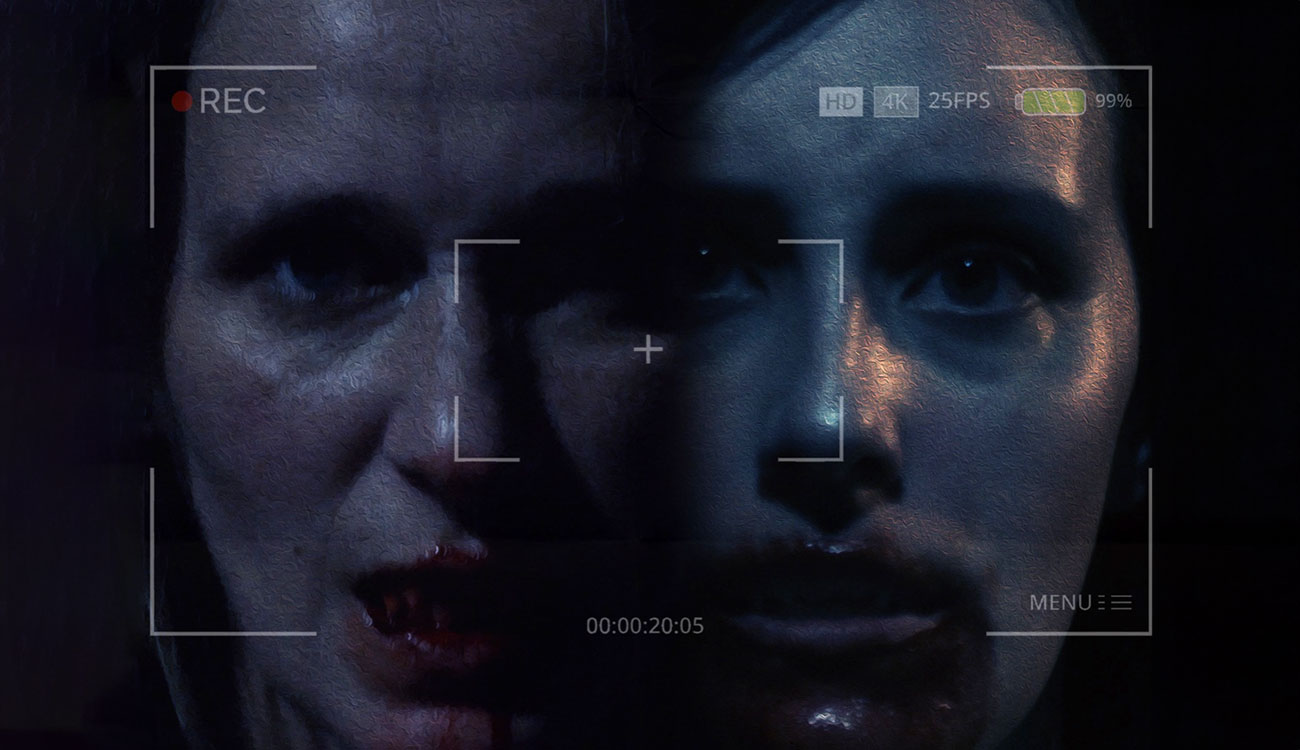
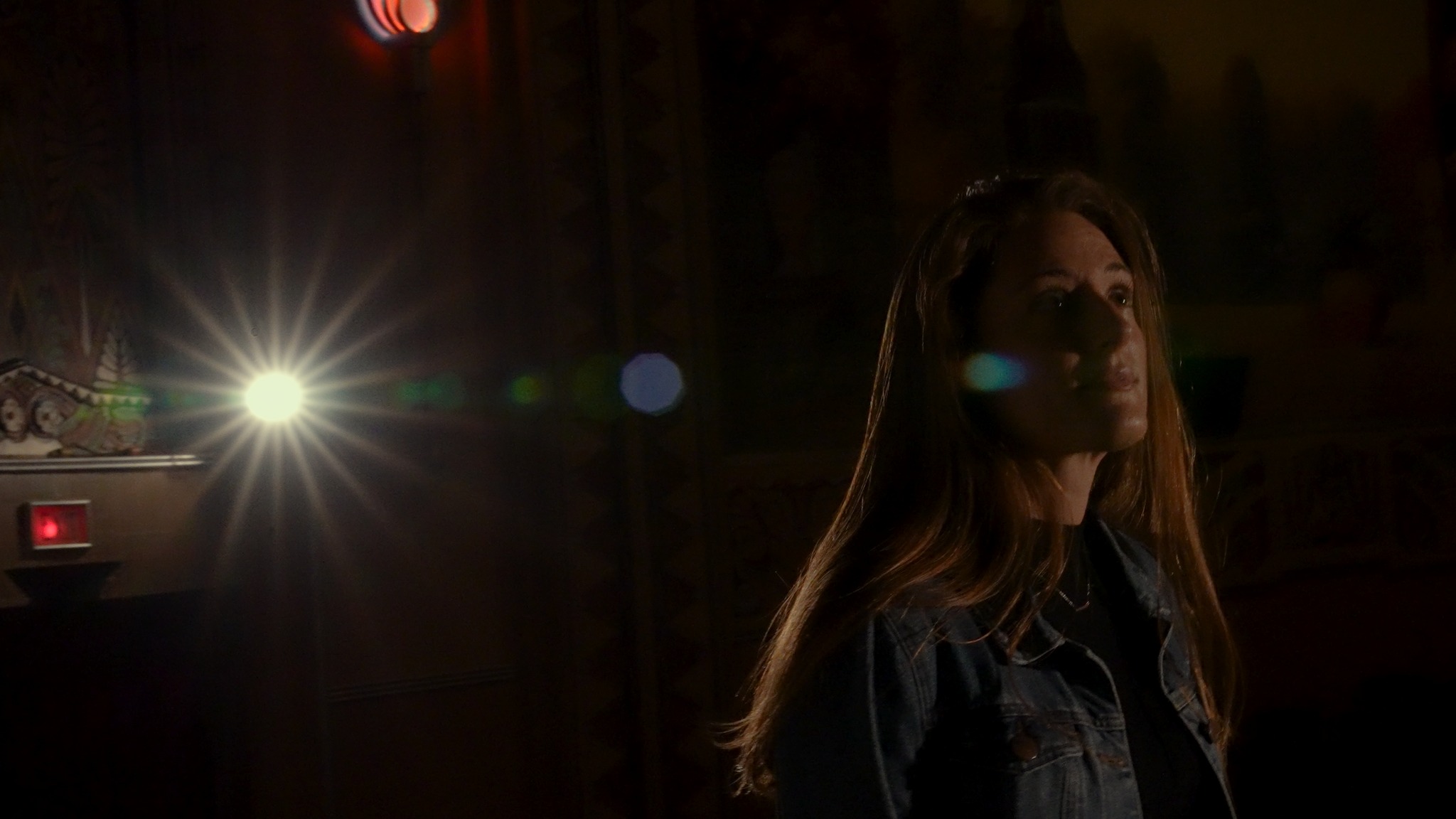
Today, I checked out Patrick (They Wait in the Dark) Rea’s found-footage LGBTQ vampire flick “The Night is Young.”
Actually, I watched it twice. The first time, I thought it was uneven but with enough good parts to warrant a second viewing, after which I enjoyed the film a lot more.
Lesson learned: don’t always go with your first emotion because then you won’t see the forest for the trees.
I was hooked from the film’s central idea of an influencer chronicling her bad dates and finding herself on a date with a vampire. But as the film began, I was surprised to find how invested I was in seeing the main character, Nora (Sarah McGuire, who also co-wrote the film), go through these bad dates–this whole first act works wonderfully; it’s funny, it’s well-acted, and the Nora character is very engaging.
And then, I remember, “Oh, right–vampire movie. OK, where are we going from here?”
Actually, where we go from here is pretty wild, as Nora meets Emelia (Valeri Bates), who is a vampire being hunted by 3 vampire hunters (Dan Daly, Kurt Hanover, & Kristin Rea) who don’t mess around–and thus begins one crazy date night, to say the least! Lives are in jeopardy, bodies pile up, blood is spilled (and spread), and even during all this madness, there’s room for romantic tenderness as well!
I love when found-footage goes crazy like this. But during my first viewing, I was so into the comedy of Nora’s misadventures in dating, the fun dynamic between her and her constantly-filming videographer brother Jake (Jake Jackson), and even the subtle aspects of characterization that Sarah McGuire exhibits terrifically…that I was a bit thrown off when it became a vampire story.
But the film’s lead characters (Nora, Emelia, & Jake) are so engaging, I’d follow them through any story–and this one’s a good deal of fun. Upon first viewing, I thought the vampire hunters distracted from the more interesting parts of the story, as they all share the personality of…”kill.” But during the second viewing, I was invested in the 3 leads even more and getting more into the spirit of what the film is, which is a fun, twisted vampire flick; and thus, I ended up enjoying rooting against these people.
Back to the leads. I already mentioned how interesting and likable Nora is (and Sarah McGuire is naturally charismatic in the role). Valeri Bates, as Emelia, is terrific, and she brings an intriguing mix of playfulness, menace, and pathos to the role of a vampire who could be your trustworthy friend one minute and then a vicious bloodsucking beast the next–and she and McGuire share good chemistry together. But I was surprisingly impressed by the work of Jake Jackson as the constantly-recording Jake. He’s not onscreen very much and is often a voice behind the camera, and yet he still manages to show a charming presence.
(Or maybe I just like Jackson’s work here because he reacts to the mayhem the same nervous, wisecracking way I probably would–for example, I love the bit in which Emelia first bares her fangs, literally, and approaches the camera as Jake repeatedly asks, “We’re cool, right?”)
So yes, I had a good time with “The Night is Young”–both times. And I think you will too.
SPOILER ALERT–There’s no mention of Martin Scorsese’s Killers of the Flower Moon in my year-end list for 2023 films…I’m sorry, I just didn’t get to see it in time. I’m sure when I see it, I’ll think to myself, “I wish that was on my list.” (Same goes for The Color Purple, Godzilla Minus One, Poor Things, and The Boy and the Heron.)
But I saw a lot of great films this past year. I know I haven’t written in 2023 as much as I usually do–but hopefully, this list will make up for it.
Before I begin my 2023 retrospective, I’ll mention the 2022 films I’ve caught up with that I would have loved to include in my 2022 Review: Women Talking, Glass Onion: A Knives Out Mystery, and Causeway. (And last year’s list was a top-25–I stand by 2022 being a terrific year for films.)
Now, the honorable mentions: Barbie, How to Blow Up a Pipeline, Flora and Son, The Adults, Shortcomings, Saltburn, Albert Brooks: Defending My Life, Dumb Money, They Wait in the Dark, Child, No Hard Feelings, Sanctuary, The Son, Somewhere in Queens, Sound of Freedom, Dungeons & Dragons: Honor Among Thieves, You Hurt My Feelings, You Are So Not Invited to My Bat Mitzvah, Joy Ride, and Biosphere. (Why do I get the feeling I’ll regret leaving one or two of these off the list in about a month?)
I’d love to give a special mention to a film that would have easily placed #1 on this 2023 list…if only it had released to the public in 2023. Johanna Putnam’s Shudderbugs had a wonderful festival run this year, and for good reason: it’s a wonderful film and probably meant the most to me out of any other film I saw this year. It’s a remarkably moving and wonderfully made exploration of grief, remorse, and recovery. When it gets released in 2024, it’s going to take a very special film to keep this one from the top spot of that list…
But the films taking the top spots on this year’s list are pretty great too. Let’s count down my Top 20 Favorite Films of 2023!
20. The Year Between Painfully honest and honestly funny, writer-director-actor Alex Heller has delivered a truly impressive debut feature about how one handles mental illness and how loved ones handle it. At times uncompromising, other times sharply witty, and always memorable, The Year Between is the type of indie dramedy from the heart that I always treasure.
19. Talk to Me Well, that was terrifying, I uttered to myself immediately after seeing this one for the first time. This Australian import deals heavily with themes of grief and loss while also delighting in scaring the bejeebus out of us using a unique plot device of a mysterious ceramic hand that possesses young people who play a game with it (allegory for substance abuse, anyone?)–and I’m sure directors Danny Philippou and Michael Philippou had a great time making it too.
18. Almost, Sorta, Maybe I first saw this gem of an indie romcom in festivals last year. When it released via streaming this year, it was nice to rewatch the humor and heart of the whole film. (Yeah, you could call this one a “homer pick,” since I live in Kansas City, where this film was made, and I know many of the people involved in making it–but this is a list of my favorite films of the year, so I’m not leaving it off due to some kind of bias.)
Oh, and please check out this terrific short film from IX Film Productions, the same people behind Almost, Sorta, Maybe. It’s called Vegan Apocalypse–and it might be the best film they ever made (so far). Check it out.
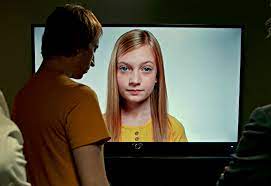
17. The Artifice Girl Ohh, how am I going to review this one without giving away its best secrets? Do yourself a favor–go into The Artifice Girl as cold as possible. All I’ll say is I’m rooting for this one to win the John Cassavetes Award at this year’s Film Independent Spirit Awards. It’s an example of wonderful creative ingenuity and one of the best screenplays of the year.
16. Maestro I placed Bradley Cooper’s directorial debut A Star is Born on my 2018 list–it’d be silly if I didn’t include his follow-up directorial effort on this list, because Maestro is even better. It’s a wonderfully entertaining biopic about the late, great Leonard Bernstein, with Cooper also giving the performance of his career, completely disappearing into the role. It’s also the best-looking film of the year–and considering Bernstein’s music is scattered throughout, it might also be the best-sounding too. Available on Netflix.
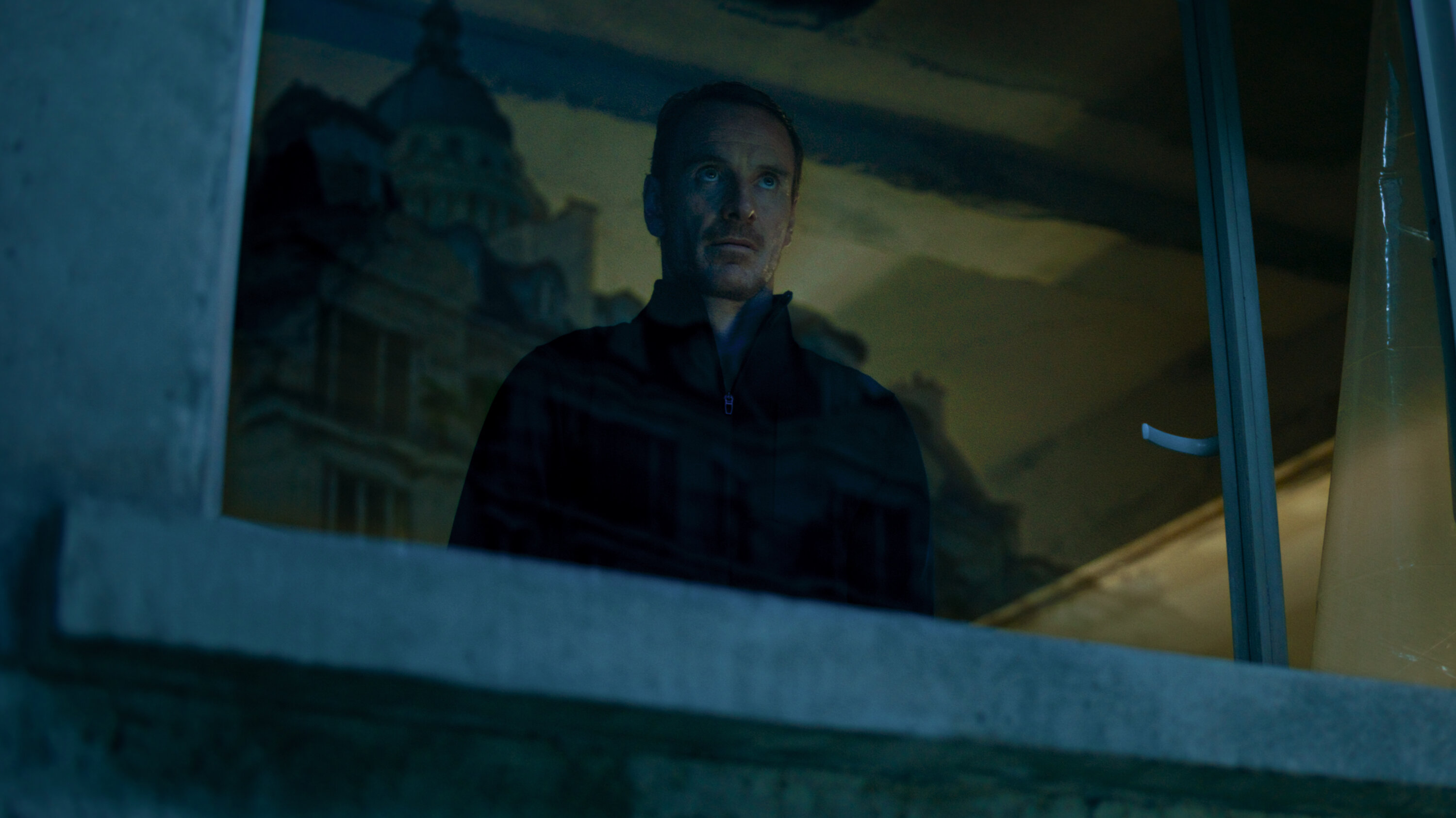
15. The Killer Yeah, yeah, masterfully-directed by David Fincher, owned by always interesting powerhouse actor Michael Fassbender, whatever–the main reason The Killer is on this list is because it’s also funny as hell. Yep, the Killer is as hilarious as he is ruthless. Available on Netflix.
What a gem this was to discover–a wholly original film that made me grin, ponder, and ultimately feel. It also contains the best performance from Patrick Poe since Almost, Sorta, Maybe, as he plays a seemingly immortal man who doesn’t have a lot of insight to bestow–but he does hold the secret to living a full life. It’s a beautiful film by Tyler W. Moore. Check it out–it can be found here. Available on Vimeo-on-Demand.
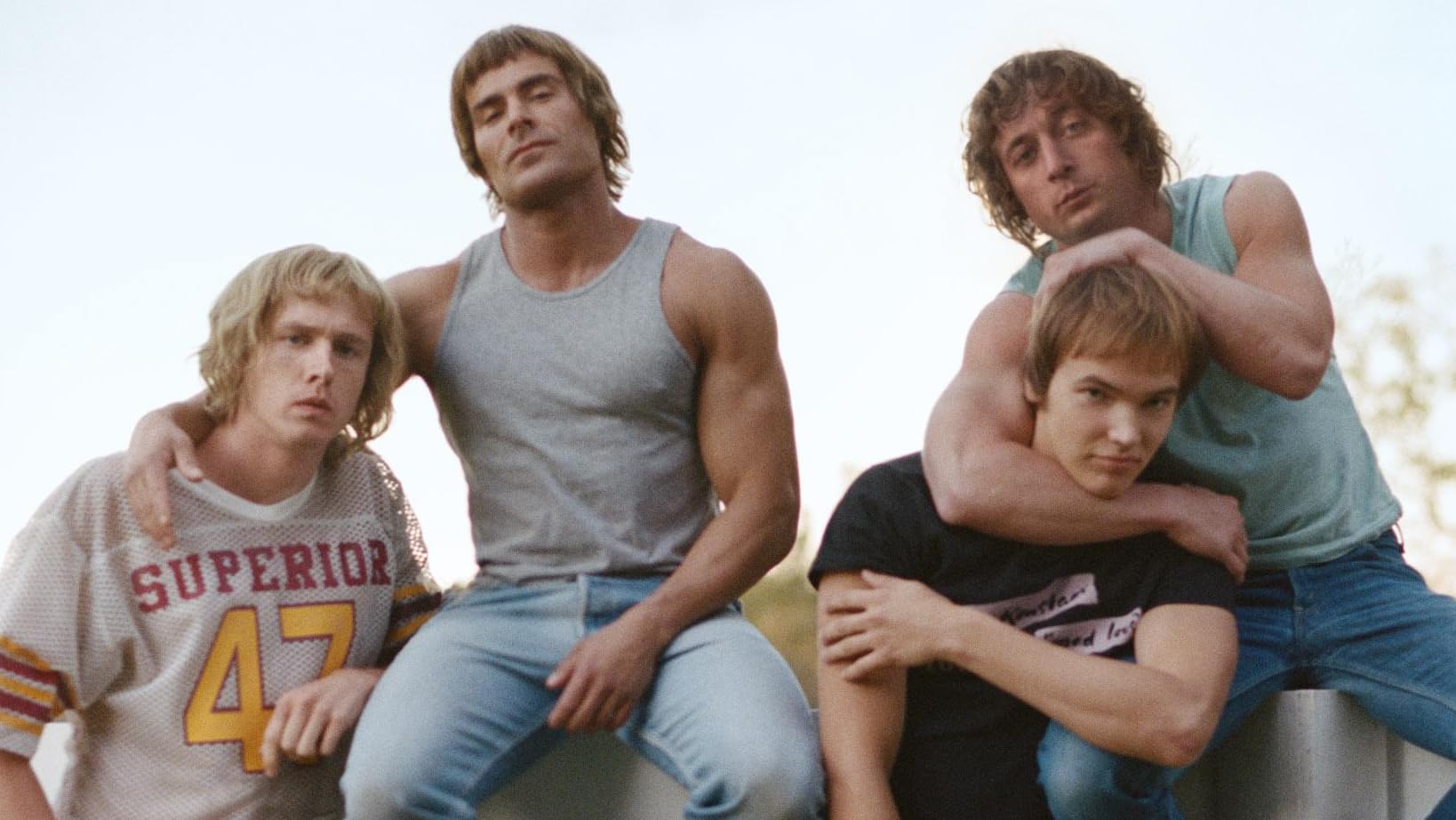
13. The Iron Claw Whew! What a ride this was. This story of the inseparable Von Erich brothers, the most famous family in the history of professional wrestling, is an emotional powerhouse with sharp, uncompromising direction by Sean Durkin (Martha Marcy May Marlene) and great acting, including a career-best performance from Zac Efron as Kevin Von Erich. I got flashes of Raging Bull while seeing this film.
12. Creed III I love the Rocky and Creed movies, and Adonis Creed himself, Michael B. Jordan, took the directing helm to create yet another strong, powerful entry in the Creed franchise. Creed was about going your own way and managing your temper, Creed II was about maintaining and defending legacy, and Creed III is about combating your inner demons. I’ll happily see what Adonis fights next in the next film.
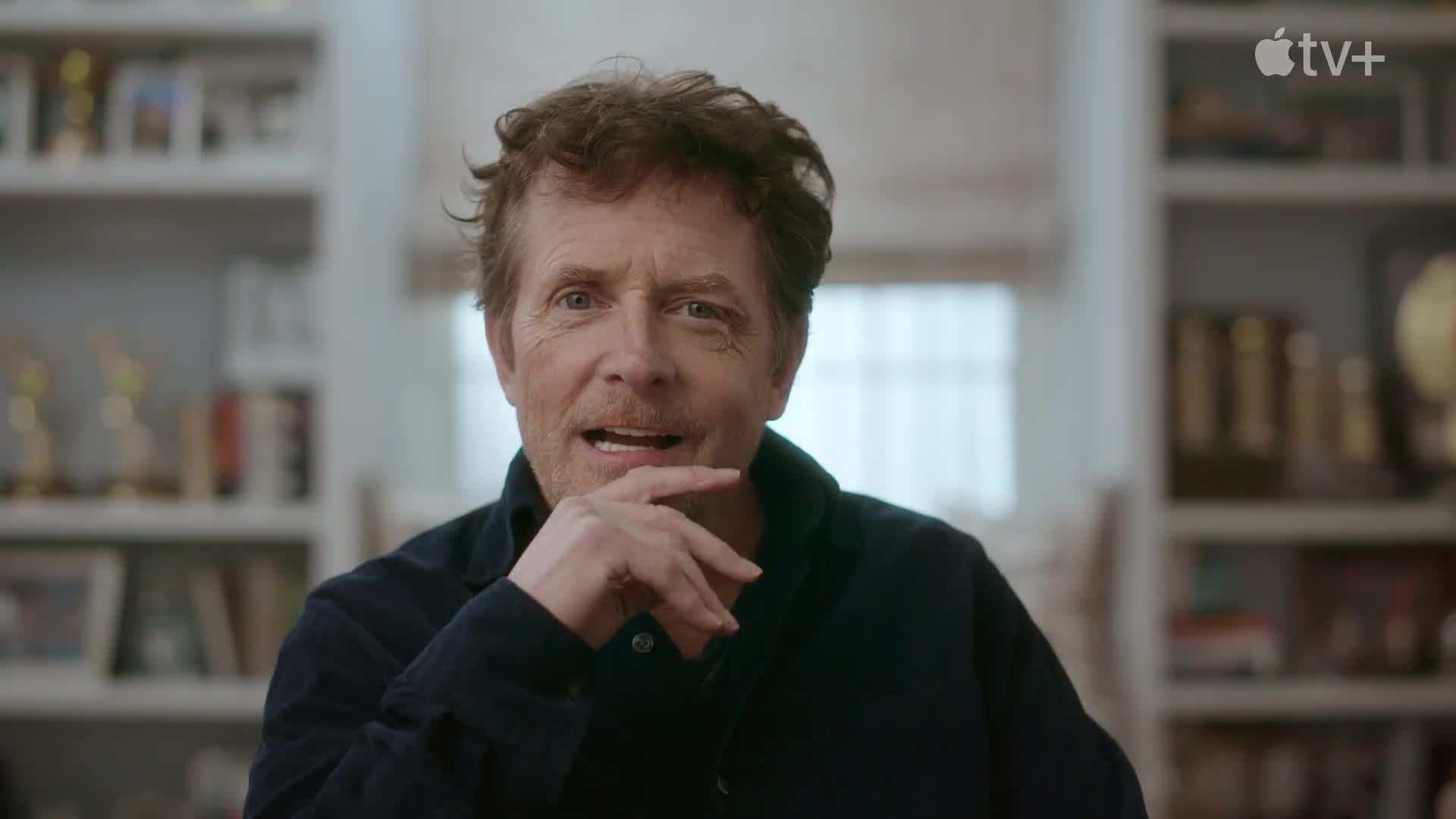
11. Still: A Michael J. Fox Movie To hear about Michael J. Fox’s Parkinson’s battle is one thing–to see it illustrated to this degree in an entertaining and insightful documentary, from Davis Guggenheim (An Inconvenient Truth), is another. I have a whole new amount of respect for the man now. (But then again, I’ve always found him to be as inspiring as he is likable.) Available on Apple TV+.
10. May December We have 9 more titles to go, and I thought for sure this would reach the top 5. (Guess I found 9 others I liked a little better.) Todd Haynes’ latest masterpiece contains the most richly layered character portrayals of the year and probably the strongest acting of the year, from Natalie Portman, Julianne Moore, and Charles Melton. I was enthralled from beginning to end. Available on Netflix.
9. Reality I couldn’t tell you how many times I watched this HBO film, based on the FBI interrogation of American intelligence leaker Reality Winner (played in the film by a wonderful Sydney Sweeney), in the past few months–but that itself should tell you how much I enjoy it. Available on Max.
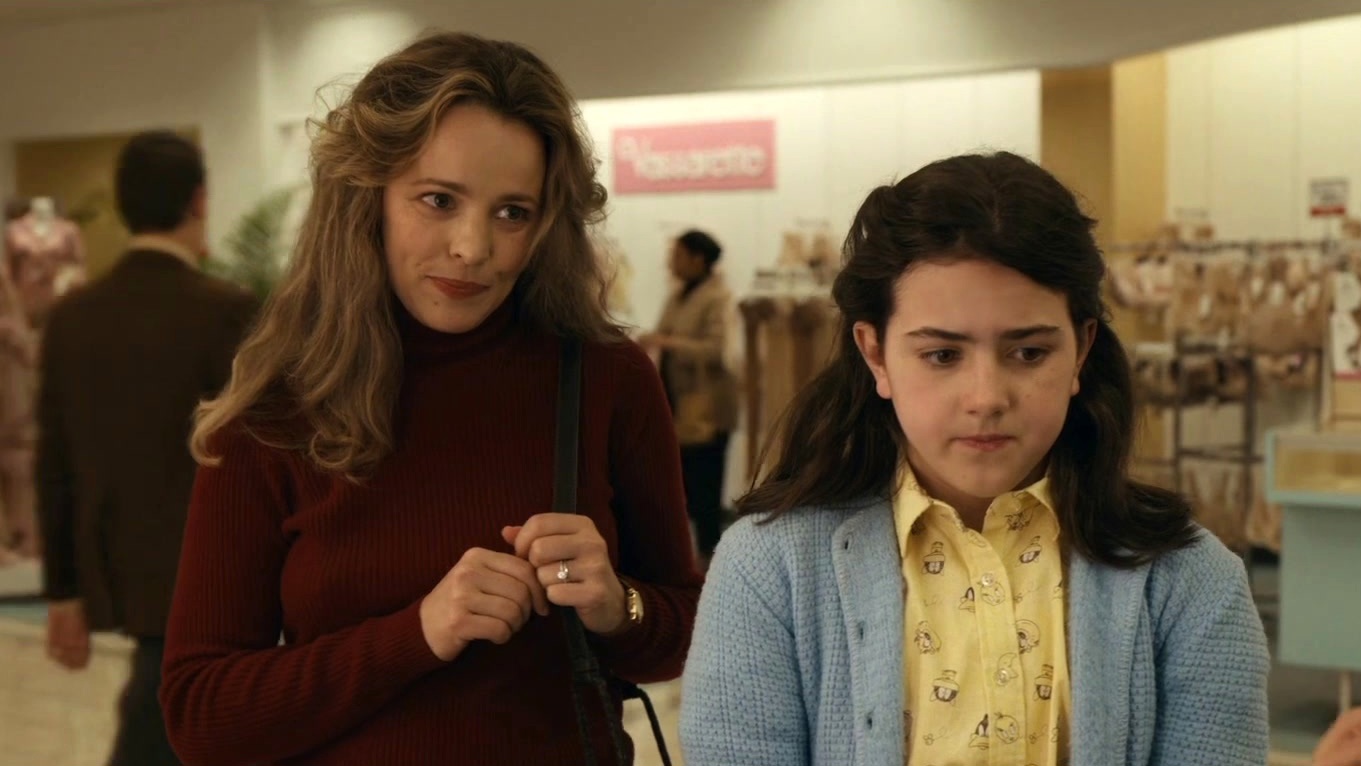
8. Are You There God? It’s Me, Margaret This is a wonderful, delightful coming-of-age tale that is every bit as needed and insightful as the Judy Blume novel it’s based on. The actors (both young and adult) are great, Kelly Fremon Craig’s writing and direction are great, the humor is great, and the ending is both moving and great. (I originally saw this as part of a double-feature with my #1 pick–it was a great day at the movies.)
7. Spider-Man: Across the Spider-Verse Amazing, Spider-Man… Need I say more? Well, OK, I’ll say I’d love to see Spot in more Spider-Man adaptations–he is not some “villain of the week.”
6. The Holdovers What, director Alexander Payne, best-known for films about miserable people trying to be less miserable, can’t stand when people call his holiday-set film “warm” and “cozy”? Well, tough–he made a film about lonely people connecting together during the holiday season and he did it the way only Alexander Payne knows how. Of course people are going to call it “warm” and “cozy.” Would he be happier if we all suddenly pretend to hate it for some reason, like Green Book? (Btw, are we past that now? ‘Cause I always liked Green Book.)
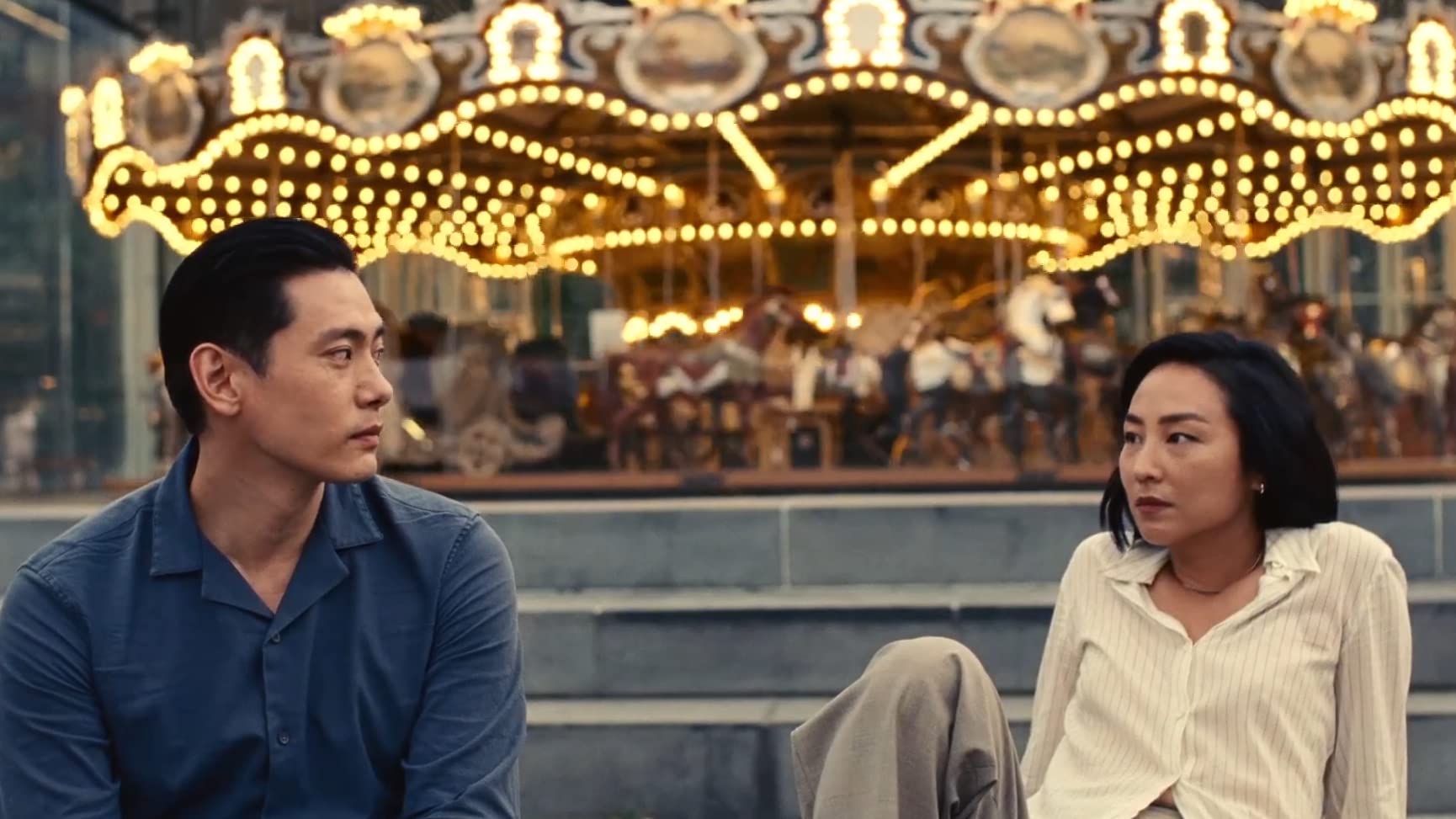
5. Past Lives If May December wins big at the Film Independent Spirit Awards, I won’t complain at all–but I will cheer loudly if Celine Song’s Past Lives takes the Best Film trophy. I loved, loved this film. I loved it for its characters’ connectivity; I loved it for the down-to-earth portrayals from the actors (particularly Greta Lee, Teo Yoo, and John Magaro); I loved it for the script’s simplicity; I loved it for Song’s direction; and I loved it for making it feel all the feels by the time it was over. Side-note: We talk about studio A24’s impressive catalogue of horror films, including this year’s Talk to Me–but how about a talk about their hugely terrific lineup of dramas, comedies, and/or dramedies?
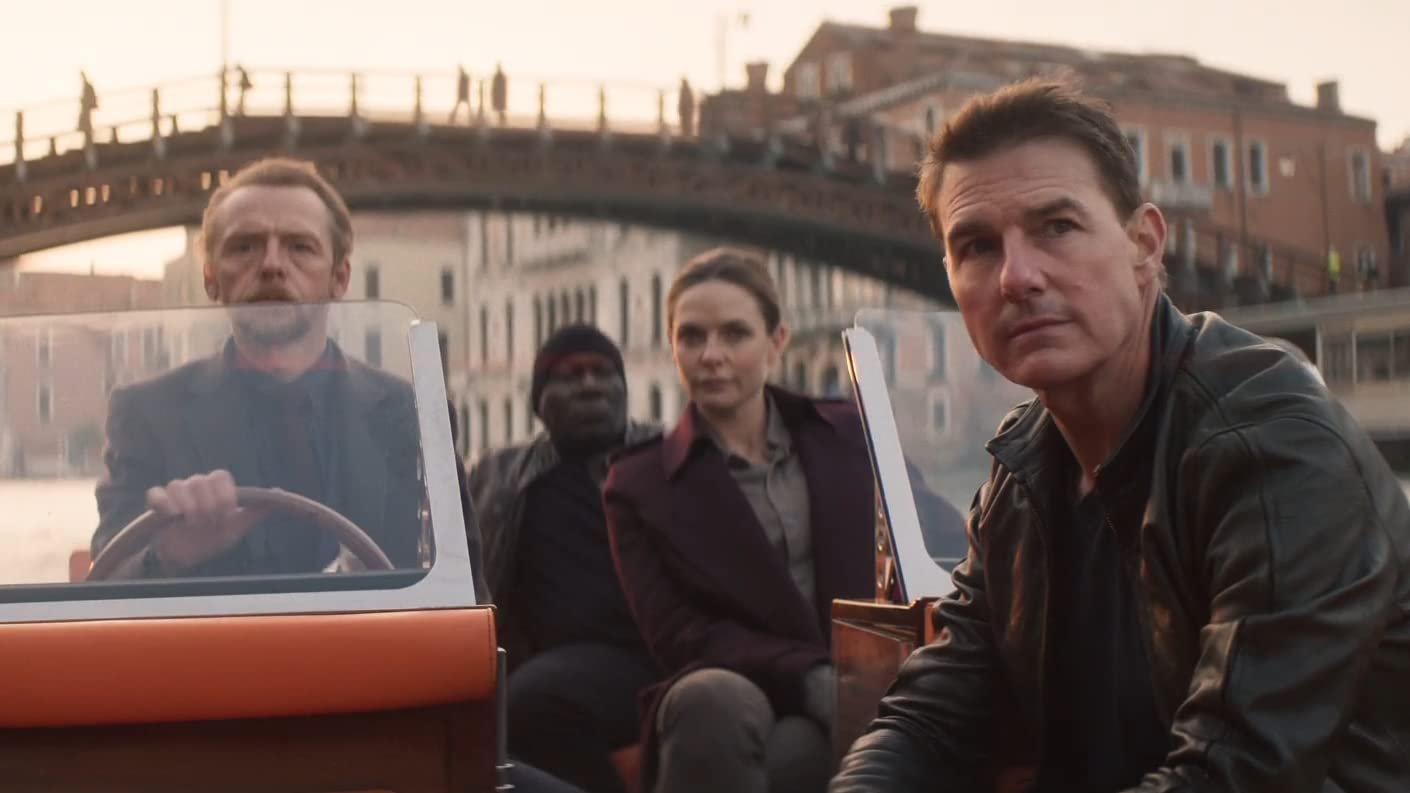
4. Mission: Impossible: Dead Reckoning – Part One The previous Mission: Impossible film (Fallout) made my 2018 list, and this new (seventh) entry is every bit as impressive if not even more so. This 163-minute thrill ride was nothing short of impressive or amazing, and it kept my interest throughout. Say what you will about the story, but I go to these movies for a damn good time. And that’s what Dead Reckoning Part One was to me: a damn. Good. Time. And yes, Tom Cruise still has it–I’m not just talking about his ability to perform outrageous stunts; I’m talking about his undying charisma (that sleight-of-hand bit at the airport impressed me as much as any of the amazingly crafted and exciting action sequences)…but yes, that cliff jump was great too.
3. Oppenheimer Wait, what? #3 for Christopher Nolan’s magnum opus? Well, if the next two picks are my favorites of the year, then Oppenheimer is the best. How about that? Either way, I agree with most people: it’s extraordinary and probably one of the best films of the century.
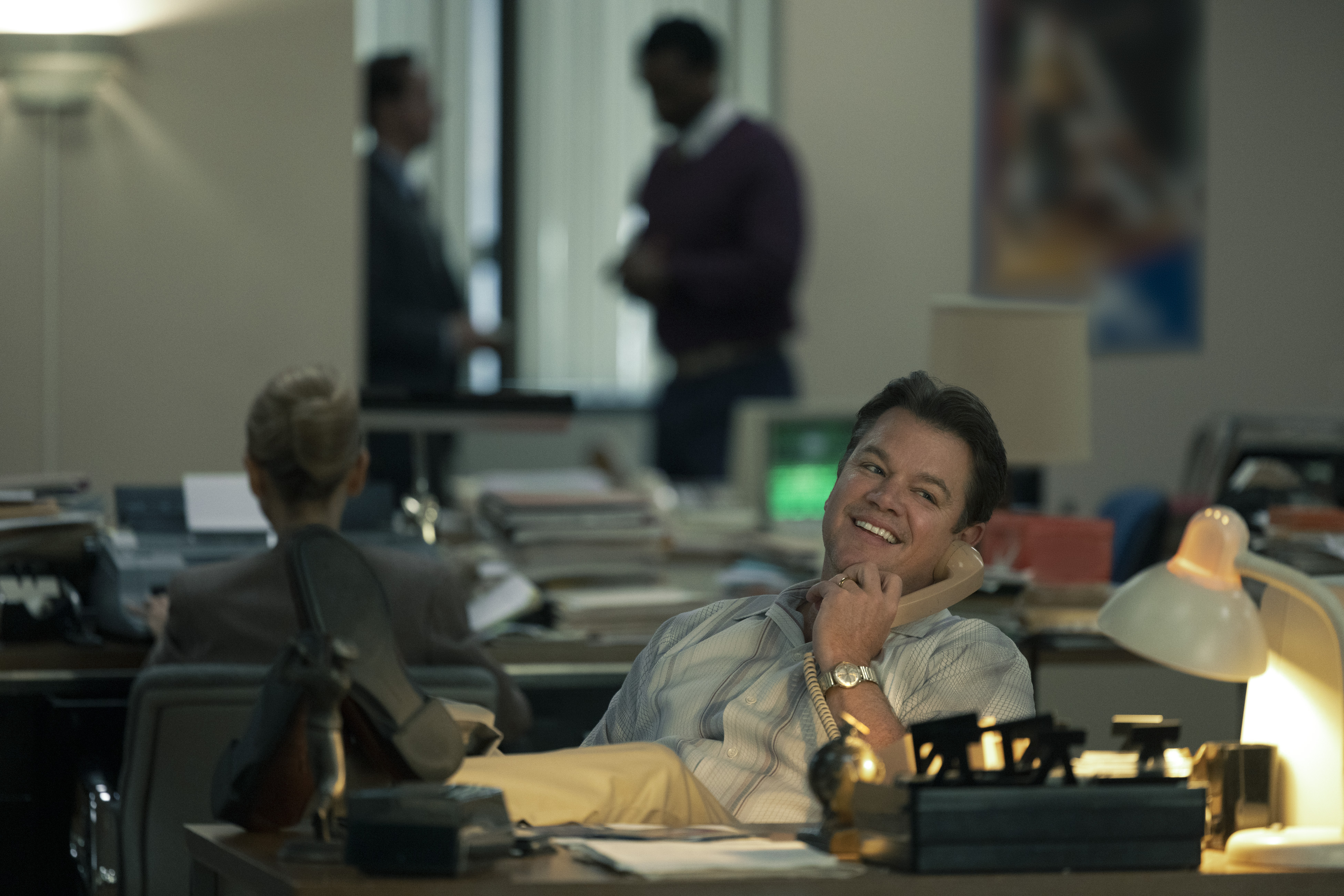
2. Air How did this happen? How did a film about the major endorsement of Michael Jordan and the creation of Nike Air Jordan shoes (mind you, without His Royal Airness being portrayed as a key player) become of the most entertaining films of the year? Well, director Ben Affleck and screenwriter Alex Convery found a way, thus emphasizing something the late Siskel & Ebert loved to point out: any subject matter can be done and told well. One of my favorite scenes of the year was an early conversation between Matt Damon’s Nike basketball talent scout Sonny Vaccaro and Viola Davis as Michael’s negotiating mother Deloris Jordan. I love this film. Available on Prime.
It’s strange. There were a lot of entertaining 2023 films that had to do with corporate business and product development–including Tetris, Flamin’ Hot, The Beanie Bubble, Barbie (which is in its own dimension), and…
BlackBerry That’s right–my favorite film of the year is a film about the invention of the first smartphone. How did this happen? Two words: Matt Johnson. I’m convinced that the always-exciting Canadian filmmaker (whose debut feature The Dirties is one of my absolute favorite films and whose sophomore effort Operation Avalanche made my 2016 list) can make just about anything entertaining. In addition to crafting a fun and engaging screenplay (co-writing with Matthew Miller, who was involved in both of Johnson’s previous features) that isn’t so much about how greed affects dreamers but more about how people react to someone else overcoming their previous endeavors, Jay Baruchel is a good lead with a nice arc going from shy doormat inventor to cocky confident entrepreneur, the atmosphere of the nerd-culture going from fun to grim is riveting, and Glenn Howerton portrays my favorite antagonist of the year, an extremely cocky and reckless a-hole who knows how to get things done and whom I love to hate. Whether it’s totally accurate to the real story or not, I don’t care–BlackBerry is a wildly entertaining treasure of a film that I will enjoy for years to come. And please, Matt Johnson, keep going, because you’re doing a great job.
Now I don’t feel so guilty having missed Killers of the Flower Moon. (I’ll see it when I see it–these films are enough for me right now.) I’ll try to do more writing in 2024. Let’s enjoy more films to come!
I don’t know why it took so long for a film based Judy Blume’s great, challenging novel “Are You There God? It’s Me, Margaret” to come about, but the film we got more than 50 years after the book’s publication is very much a perfect adaptation. It’s heartfelt, hilarious, inspiring, authentic, and relatable.
I was looking forward to this because it was written and directed by Kelly Fremon Craig, who made The Edge of Seventeen, another great film about young people. I knew she’d be able to portray both the comedy and trauma of coming of age in film just as Blume did in the novel. (She also made the perfect choice of keeping the original story’s 1970 setting instead of modernizing it.)
The film is very funny (I laughed out loud at least 3 times, I kid you not–in particular, one scene set at a pharmacy had the whole theater in stitches), but it doesn’t back down from its serious moments. Both the comedy and the drama feel like they belong in the same film–that’s not easy to do, and this film does it flawlessly.
Everyone in this cast is superb. Abby Ryder Forston gives a natural and lovable performance as our 11-year-old heroine Margaret Simon, who’s in such a hurry to grow up that she’s in danger of missing out on special moments. (She’s aided by other child actors who are also very natural and winning.) And the adult actors don’t half-ass it at all–Kathy Bates is great as Margaret’s grandmother; Rachel McAdams & Benny Safdie are wonderful as Margaret’s parents; and I would’ve liked to see more of Echo Kellum as Margaret’s 6th-grade teacher who encourages her to explore religion. (Part of Margaret’s journey in this story is her exploring Judaism and Christianity, as her mother is Christian and her father is Jewish but neither one is religious and they let her choose her own path when she’s older.)
There’s a subplot that I don’t think was in the book about Margaret’s maternal grandparents–I won’t give away what happens, but even that worked so well in this film because it helps add to Margaret’s big ball of confusion and thus aided in her resolution at the end.
I get the feeling this film adaptation of “Are You There God? It’s Me, Margaret” will be just as relevant as its source material to audiences of all ages, and I highly recommend it.
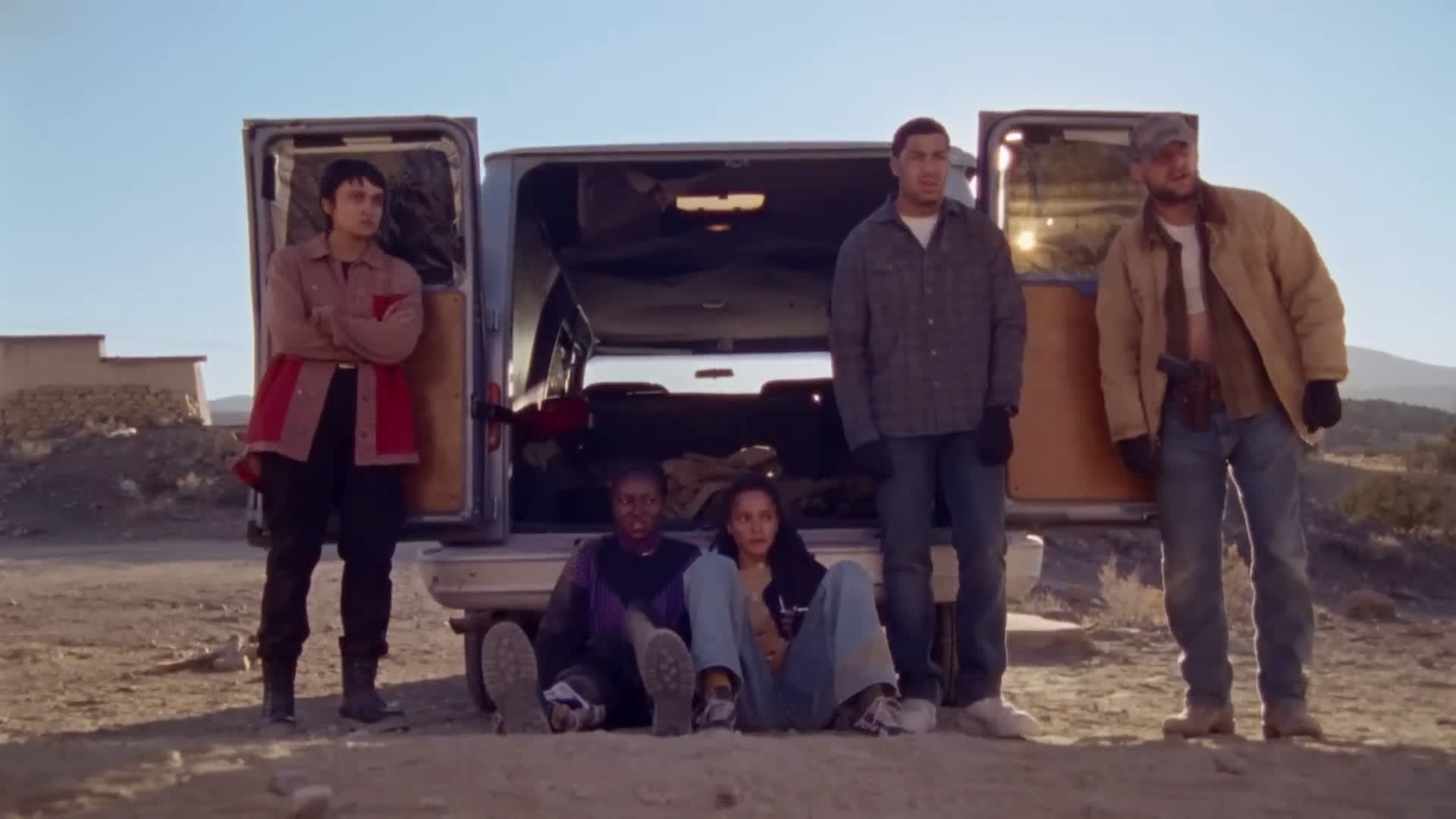
There’s a new film now streaming on Hulu that I checked out–and it’s a solid contender for my year-end list. It’s called “How to Blow Up a Pipeline,” and it’s a riveting, character-driven, most likely controversial thriller that is set in the here and now but is also in the great tradition of thrillers from the ’70s and ’80s in terms of tone and pacing.
Think less “Sound of Freedom” and more “3 Days of the Condor.”
And I was about ready to call this film “Woke Fetish” when its statements about climate change, eminent domain, and selected sabotage (more property over people so that no one gets hurt) make themselves known fairly early on. But this film values character and ethical interpretation over all else, and so I was never bored.
The film, based on a non-fiction book of the same name, is more or less a political manifesto (or an eco-thriller) done like a heist thriller. It follows a group of environmental activists who have a plan to blow up an oil pipeline–two, actually; one in Texas, the other in California. One of the Texas “eco-warriors” (played by Jake Weary) has a very specific reason for targeting the oil company: to get back at them as they try to run a pipeline through his family homestead by abusing “eminent domain” laws that let governments seize private property for construction projects. The California ringleader (played by the script’s co-writer, Ariela Barer of “Runaways” fame) rallies a group of individuals (a film student, an explosives expert, and others) for a very specific plan after being in the shadows of Long Beach refineries for too long.
Or, as someone cynically puts it: “She reads a book, and suddenly she thinks she can save the world?”
The film is told in non-linear fashion as we begin with the characters about to carry out their plan, and them BAM! We flash back to see where one particular character is coming from. The main story is told chronologically while we randomly get character backgrounds that often get distracting but mostly make way for a unique plot twist or two.
Each of these characters has a reason to join–one has terminal cancer from toxic chemicals and of course the US health system isn’t helpful (this film likes to show connections wherever they can be found); one is a Native American whose people in North Dakota have been given the s**t end of the stick for centuries; one seeks to get away from privilege and further into individualism; and so on. The only one to show any signs of nervousness is the girlfriend of one of the crew (played by Jayme Lawson), who really has no reason to be there except for support.
All of the actors are strong, but I especially liked Forrest Goodluck (whom I’ve liked in films like “The Revenant,” “I Used to Go Here,” and “The Miseducation of Cameron Post”) as Michael, the most extreme member of the bunch, and Kristine Froseth (“Sharp Stick,” “Looking for Alaska”) as Rowan, one-half of a wisecracking Bonnie-and-Clyde duo, who are more like idealized youngsters in over their heads, whose mission is to shut off the pipeline flow–Rowan’s story might arguably be the most complicated, and that’s all I’ll say about that.
“How to Blow Up a Pipeline” teaches a good amount of discipline in how revolutionary groups go about these acts of environmental terrorism. Don’t get distracted, don’t mess up, plan ahead, stick to the schedule, etc.–otherwise, these people are likely to get arrested or worse. And what’s important that this film captures is that for all the characters’ talk about why they do all of this, who they compare themselves to while doing this, and, yikes, historical comparisons…these are all just young adults who are still roughly adolescent and think more on instinctive than intellectual levels. And yes, some things go according to plan–but others do not, and they just have to wing it because they’re committed to the cause.
Now, here’s where the film will probably draw controversy: the film doesn’t ask you to judge these people; in fact, it can be argued that it endorses their ideas, which may rub people the wrong way.
But you know what? I’ll take a film that isn’t afraid to take those chances if it means those in big business could be coerced to keep a tighter lid to what is hazardous to people and do the revolutionaries a favor by actually giving a damn about the people–especially when the alternative is a film that simply plays it too safe.
Confession time–I’m not entirely sure what I understand Luca Guadagnino’s “Bones and All”…but after seeing it four times as of writing this review, I’m fascinated enough to want to understand it.
This is especially because director Guadagnino’s “Call Me by Your Name,” arguably his best known film, was so deep and heartwarming and lively that I still gain more input from it five years later. (It’s a new favorite of mine now.) And his follow-up film, “Suspiria,” may have been annoyingly alienating in many ways but rather hauntingly beautiful when you look beneath the surface. (I’ll admit, it took a while for me to warm up to it because it was so slow and off-putting–but when I gave myself to it, I found it wonderful.) “Bones and All” is like a happy medium of both films, in terms of tone and atmosphere, which can either work for the film or against it. (And indeed, most of the critics who hated “Suspiria,” like Reelviews’ James Berardinelli and Chicago Sun-Times’ Richard Roeper, don’t much care for this one, either.) There’s also a mainstream appeal to this one in that it involves our two young leads embarking on a road trip while partaking in a very strange romance–so much so that the marketing campaign practically tried to sell “Bones and All” as a new version of “Twilight.” (Judging by the film underperforming at the box office, I don’t think the strategy worked.)
There’s just something to “Bones and All” that continues to intrigue me and keep me wondering about what it all means. Maybe it’s because it looks good or it feels good or I’m just remembering many striking moments from it–but I’m just saying, there’s something special to this film that I can’t shake off.
How strange that a film about cannibals on the road would leave such an impression. But here we are.
And yes, that is what “Bones and All” centers on: cannibalism. Based on the novel of the same name by Camille DeAngelis, “Bones and All,” set in 1988, focuses on teenager Maren (Taylor Russell), who has an uncontrollable urge to devour human flesh, as evidenced when she’s invited to a slumber party by a girl from school…and she bites down on the girl’s finger. Not a great way to make friends. Her father (Andre Holland) is aware of her particular hunger, and after this incident, he and Maren pack up and leave town (something they’ve apparently done a few times before).
When Maren is safe, her father abandons her, leaving her with cassette tapes and other information regarding her backstory. So, Maren sets off to find her mother who abandoned her years ago. Along the way, she comes across a strange fellow named Sully (Mark Rylance)–he’s a cannibal (or “eater,” as he puts it) just like her, only he can smell others like him from a distance. And trust me, that’s not even the creepiest part about him–I won’t even mention his special continuous keepsake from each of his victims.
I don’t know what exactly Mark Rylance is doing with this performance, as a somewhat timid persona (with long, stringy hair and an exaggerated Southern drawl) covering unbelievable psychopathic tendencies. But I’m sure not going to forget it anytime soon, either. (And thankfully, the Film Independent Spirit Awards agree–he was nominated for Best Supporting Performance for his memorable work here.)
After getting away from Sully (although, that’s not the last we see of this scary person), Maren encounters a young rebellious emo-type about her age named Lee (Timothee Chalamet). He’s another “eater,” who often cruises unsuspecting victims–though, he has particular standards, such as not eating anyone with a family. He seems more trustworthy than Sully, so Maren rolls with him. Naturally, while on the road together, a relationship sparks between the two, and they start to wonder what it would like to settle down together and live a “normal” life. But how long can a “normal life” last when the hunger for people returns?
Naturally, being a road-trip story, Maren and Lee encounter other bizarre characters aside from the scary Sully. There’s a couple of backwoods eaters (Michael Stuhlbarg, hardly recognizable here, and David Gordon Green, best known for directing*), one of whom doesn’t share the other’s cravings and just likes to be a cannibal. There’s Lee’s sister Kayla (Anna Cobb), who lives in Kentucky, is unaware of Lee’s cannibalism, and doesn’t understand why Lee has to leave the family ever so often. And there’s also Maren’s mother (Chloe Sevigny), who also has a problem with “eating” to the point where…well, I won’t give it away, but it’s very disturbing.
It’s a bizarre, strange, and unusual journey that reminded me of “Badlands” crossed with “Near Dark,” and I was interested in taking the ride. Maybe part of the reason I was invested is because we don’t often we get a story like this–and yeah, most people don’t want to see a story like this because parts of it are disgusting and one can only imagine the harm that eating people can do to one’s digestive system. Maybe it’s because of Guadagnino’s direction, solid leading performances from Taylor Russell as Maren (she was also great in films like “Waves” and “Words on Bathroom Walls”) and the always interesting Timothee Chalamet (Guadagnino’s star from “Call Me by Your Name” and who continues to impress me with each film), gorgeous cinematography from Arseni Khachaturan, a good feel of small-town America, and a haunting score from Trent Reznor & Atticus Ross…that I was fooled into thinking “Bones and All” is truly about something when, for all I know, it’s merely an experimental presentation of depravity.
But that’s a key reason to celebrate film: it’s whatever you want it to be. Is it a poetic self-discovery tale? Is it a romance horror film? Is it an allegory for being an outcast in society? Is it a shocking arthouse film? Whatever it is, I like it a lot. It’s something I feel, and it’s the reason I keep coming back to it.
*David Gordon Green was originally set to direct “Suspiria.” Maybe Green and Guadagnino found common ground? Whatever the case, it was good to see him here.
In 2022, actor-filmmaker Lena Dunham had two new feature films released a few months apart. A majority would agree the better of the two is Catherine Called Birdy–and I agree, too. Watching it again on Amazon Prime recently, it’s even better than I remember it the first time. It’s witty, memorable, and could even be labeled as a new classic in the YA-story camp. It’s also Lena Dunham’s best work.
Dunham’s other film, released a couple months before “Catherine Called Birdy,” was “Sharp Stick.” This is what opened people’s eyes, as it was Dunham’s first film in 12 years (since the appealing “Tiny Furniture” in 2010). Most people were not impressed by what Dunham offered within “Sharp Stick,” and I’ll admit I wasn’t either–in fact, look back at my “Catherine Called Birdy” review and you’ll find me using words like “unpleasant” and “confused” to describe how I felt about it.
Well…after I rewatched “Catherine Called Birdy,” I gave “Sharp Stick” another viewing. Lena Dunham wanted to say something with this film–it is her first film in over a decade, after all. She deserves my time and attention. So, has my opinion changed on this film?
You saw the three-and-a-half star rating above. So you know I like it. Very much.
What was my problem with it initially? Well, the main character, played by Kristine Froseth, kept turning me off. Why does she dress the way she does? Why is she so naive? How is someone in their mid 20s this out of touch when it comes to sexual exploration? And is it really probable that she would put herself out there to try every position she finds out about online–just like that?
See, that’s not fair, is it? I realized that. So, what changed my mind?
Severe health issues are brought to the foreground. 26-year-old Sarah Jo (Froseth) had an emergency hysterectomy at age 15 and menopause at 17. That kind of medical crisis that young would probably cause someone to have severe embarrassment about their own body, and thus, Sarah Jo hasn’t pursued any intimate or romantic relationship because of such. And she lives at home with her hippie mother Marilyn (Jennifer Jason Leigh) and influencer-dancer adopted-sister Treina (Taylour Paige, “Zola”) because they welcome her and because she’s always felt a sense of security with them. When I keep all of that in mind, I stop asking why she, as Chicago Sun-Times film critic Richard Roeper put it, “dresses as if she’s an Amish pre-teen and has the emotional and intellectual maturity of someone half her age.” It’s more complicated than that, and I won’t pretend to have all the answers–but seeing the film again, with this knowledge in mind, I care more than enough to ponder them.
Oh, and I guess this is a good time to mention the controversy this film generated upon its premiere at the Sundance Film Festival in January 2022. People thought Sarah Jo was on the spectrum due to her extreme naivety and social awkwardness, got all up in arms about it, and caused Dunham to issue a statement saying, “Nothing about Sarah Jo was coded to suggest or convey neurodivergence.” The movies are generally subjective and you could look at the character as being a representation of something (there’s even a category on TV Tropes called “Diagnosed by the Audience”), but let me just say that I don’t think the statement was necessary and I don’t think it made things better for the complainers either. Maybe Sarah Jo is on the spectrum, maybe she’s not, but let’s move along.
Anyway, Sarah Jo is an emotional and exploratory virgin and “Sharp Stick” is all about her pursuing this part of life that she never thought about before. And why not? She’s 26, she’s kept a guard up for so long, she feels so many gaps in her life, and she’s going to explore it. Now, is moving from a secret affair with her employer, a “cool-dad” type (played hilariously by Jon Bernthal) who is the father of the special-needs kid Sarah Jo often looks after, to a list of many sexual acts with strangers pushing it? Yeah, one would definitely ask, “Where did this come from?” But again, it’s her exploration. It may be extreme, but it’s not so improbable to imagine how she gets there.
Now, as for Dunham telling this story through a fairy-tale-like lens, with sporadic animated sequences illustrating Sarah Jo’s feelings, I can see how people can find the shift from extreme realism to inner fantasy somewhat jarring. But if it went even further with no realism and all shiny visuals, I think I’d find it even more confusing. There’s a scene early in the film in which Marilyn tells Sarah Jo and Treina their “origin stories,” and while Sarah Jo is listening in awe as if she’s listening to a bedtime story, I can feel the emotional weight in Marilyn’s voice as we learn that this person has been there and done all of that–she’s been married five times, she wanted to be a starlet, she speaks freely about her sexuality, and more. Maybe it’s the way Jennifer Jason Leigh plays it so convincingly as well, but I believe Dunham was hinting at something more with this scene–it’s a setup to the pleasure and pain that Sarah Jo herself will face as the film continues.
See what happens when you give a movie another chance? This time around, I found “Sharp Stick” to be funny, honest, and heartfelt. I admired the deeply layered lead character of Sarah Jo and thought actress Kristine Froseth did a wonderful job. Bernthal handled both the comedic and heavy moments very well, playing a guy who never really grew up. Scott Speedman is hilarious as Internet porn star Vance Leroy, whom Sarah Jo declares is her favorite upon doing more “research” online–it’s because his masculinity doesn’t come off as toxic as most of her male callers as of late. And Dunham’s script is smarter than I initially gave it credit for.
So yes, I like “Sharp Stick.”
Lena Dunham is doing good work. As a filmmaker, she’s 3 for 3. I can’t wait to see what she does next.
Steven Soderbergh’s 2012 sleeper hit “Magic Mike” was a winning film. It had a good mix of arthouse and mainstream appeals, it took the audience into the world of a male stripper who had other aspirations (it also helped that it was loosely based on its star Channing Tatum’s experiences as a stripper before he became an actor), and I’m sure it also spoke to a certain demographic that just loved to see scantily clad men put on a show in scene-stealing numbers.
I don’t think it needed a sequel, especially one as silly as 2015’s “Magic Mike XXL.” But it was enjoyable enough for what it was, and it was nice seeing Mike in a different light while returning to the spotlight for “one last dance.” (But I still think it would have been more interesting if Cody Horn’s love-interest character from the first film returned–I don’t know what fans were talking about in their hatred towards her.)
Now, over a decade since the original film, we have “Magic Mike’s Last Dance,” which has a mix of the grittiness of the original and some of the wacky antics of the second. (But despite differing tones, all three films feel like they belong in the same universe. Credit for that goes not only to Soderbergh, who produced but didn’t direct the second film and returns to the director’s chair for this one, but also screenwriter Reed Carolin, who wrote all three.)
Maybe it’s because I admire what Soderbergh, Carolin, and returning star Channing Tatum bring to this franchise that I don’t mind the tonal shifts and I still rather enjoyed “Magic Mike’s Last Dance” even more than “Magic Mike XXL.”
When we first see Tatum’s Mike Lane in “Last Dance,” he’s a bartender for a catering company, after the global pandemic caused his furniture business to crash. (I like that this film shows us characters struggling in economic crisis, just as the original “Magic Mike” was a statement about the post-2008 economic crash.) In a fun little cameo appearance, Caitlin Gerard’s Kim returns from the original film as one of Mike’s former clients–Mike pretended to be a cop to put on a show for her. Kim works as a lawyer for business mogul Maxandra “Max” Mendoza (Salma Hayek Pinault), who is hosting the fundraising event for which Mike is tending bar. When Max, who is depressed and struggling herself, hears of Mike’s former vocation (the stripping, not the furniture business), she invites him inside her luxurious Miami estate and pays him to give her a dance.
And does he ever, proving that even in his 40s, Channing Tatum still has some moves. He puts on a hell of a show for Max, and wouldn’t you know it–this is only the beginning…
Max pays Mike to accompany her to London for some time. (But nothing physical is to happen–how much you want to bet something physical does happen between these two? I joke, but Tatum and Hayek do share good chemistry together.) It’s only when Mike is in London with her does he realize why he’s there: to direct a stage show at a theater called the Rattigan, owned by Max’s divorced husband Roger (Alan Cox). Though reluctant at first, Mike accepts Max’s request to turn a stuffy period-piece romance into a wild male-stripper fantasy show with a message of female empowerment.
It’s very much “hey-kids-let’s-put-on-a-show” as Mike and Max bring in new dancers to turn this show into something special. But it’s not as flashy as you’d think–it’s surprisingly subdued in the scenes where they rehearse and put their all into it. Any other film, it’d feel more joyous–but this is “Magic Mike,” after all.
Although, the influence of “Magic Mike XXL” does come in a strange moment where the dancers must convince an uptight bureaucrat on a bus to approve the theatre renovations in preparation for the big finale. That felt a bit out of place in this film, but…eh. It made me laugh, so it gets a pass.
And the show, which takes up the film’s final act, is wild enough that it was worth the wait. It’s well-choreographed, well-shot, and rather exciting.
So maybe “Magic Mike’s Last Dance” isn’t as gritty or as sexy as the original film, but why criticize it as such? I enjoyed it more than “Magic Mike XXL,” which I liked for what it was, and I enjoy “Magic Mike’s Last Dance” for what it is. And even if I can see Mike and Max’s romance coming a mile away, I still applaud it. Mike deserves some happiness in his life–I think Salma Hayek Pinault can give it to him.
But you uptight “Magic Mike” fans better not cause her to be written off like you did for Cody Horn’s character! (Yeah, I don’t think I’ll get over that.)
To begin my review of Patrick (“I Am Lisa”) Rea’s new micro-budget horror film, “They Wait in the Dark,” I would like to mention how refreshing it is (for me, anyway) when a young child is terrified rather than enchanted by a mysterious, ghostly presence. Does that annoy anyone else, when a kid in a horror film is too dumb to believe this is more than some “imaginary friend”? (Remember Lights Out? The film in which the kid is too scared to sleep at night because of his mother’s malevolent “imaginary friend”? Could we get more of that, please?)
Well, in “They Wait in the Dark,” young Adrian (Patrick McGee) has one strange encounter with an invisible force during his first night in an abandoned house; the following night, he meets it again and repeatedly shouts at it to “GET OUT!”
But, of course, the kid’s mother doesn’t believe there’s anything haunting this house except for bad memories. So, there they stay. Let’s see what happens.
Adrian and his mother, Amy (Sarah McGuire, The Stylist), are fleeing from Amy’s ex-girlfriend, Judith (Laurie Catherine Winkel). We don’t get a lot of backstory of what led to Amy & Adrian’s situation (thankfully, filmmaker Patrick Rea’s script keeps us guessing), but we do get an idea what they’re avoiding as we get the sense that Judith is abusive and unhinged and we also see how good she is with a knife, as well as what happens when one unfortunate trucker catcalls her. (Oh, and Amy is treating what looks like a stab wound at her side. Yeah, I think it’s safe to assume Amy & Adrian are better off without Judith.)
Amy reunites with an old friend, Jenny (Paige Maria), who helps them get refuge at Amy’s old family farmhouse in the middle of nowhere. It’s not Amy’s ideal hiding spot, but it’s also unlikely Judith will find them there. As more about Amy’s troubled past comes to light and her own parenting towards Adrian becomes questionable (for every moment she’s kind towards him, there’s a moment in which she’ll randomly snap at him), it quickly becomes clear to us (and to the kid) that there’s most likely something sinister dwelling in this house.
Who or what is to be feared the most? I love it when a supernatural thriller poses that question. It makes for a film that is as intriguing as it is disturbing, and “They Wait in the Dark” is no exception. The main reason for its effectiveness comes down to the character of Amy–most notably actress Sarah McGuire’s excellent performance as well as director-writer Patrick Rea’s careful guidance. Amy’s enough of a mystery to keep us wondering and enough of a human being to be engaging, and with more than enough complexities for McGuire to tackle head-on. It’s a remarkable character study.
When character and atmosphere share the same importance as terror and gore in a horror film is when I appreciate the filmmaker’s endeavors even more. (“They Wait in the Dark” was made for peanuts in rural Kansas. I can tell this was a labor of love for Rea and his cast/crew–and it looks great too, with help from cinematographer Hanuman Brown-Eagle.) But I don’t want to deny the fear factor either–for instance, the first (visible) sign of the haunting presence pushed me back into my seat the moment it appeared. (Very well-done jump scare.)
From the film’s mysterious opening to its eerie middle to its volatile finale, “They Wait in the Dark” kept me invested in these questions: which threat is to be feared more, whether Adrian will be safe or not, and even whether Amy is to really be trusted or not. I was not disappointed by the answers. And I was grateful to see that this film had a lot more on its mind than I was anticipating.
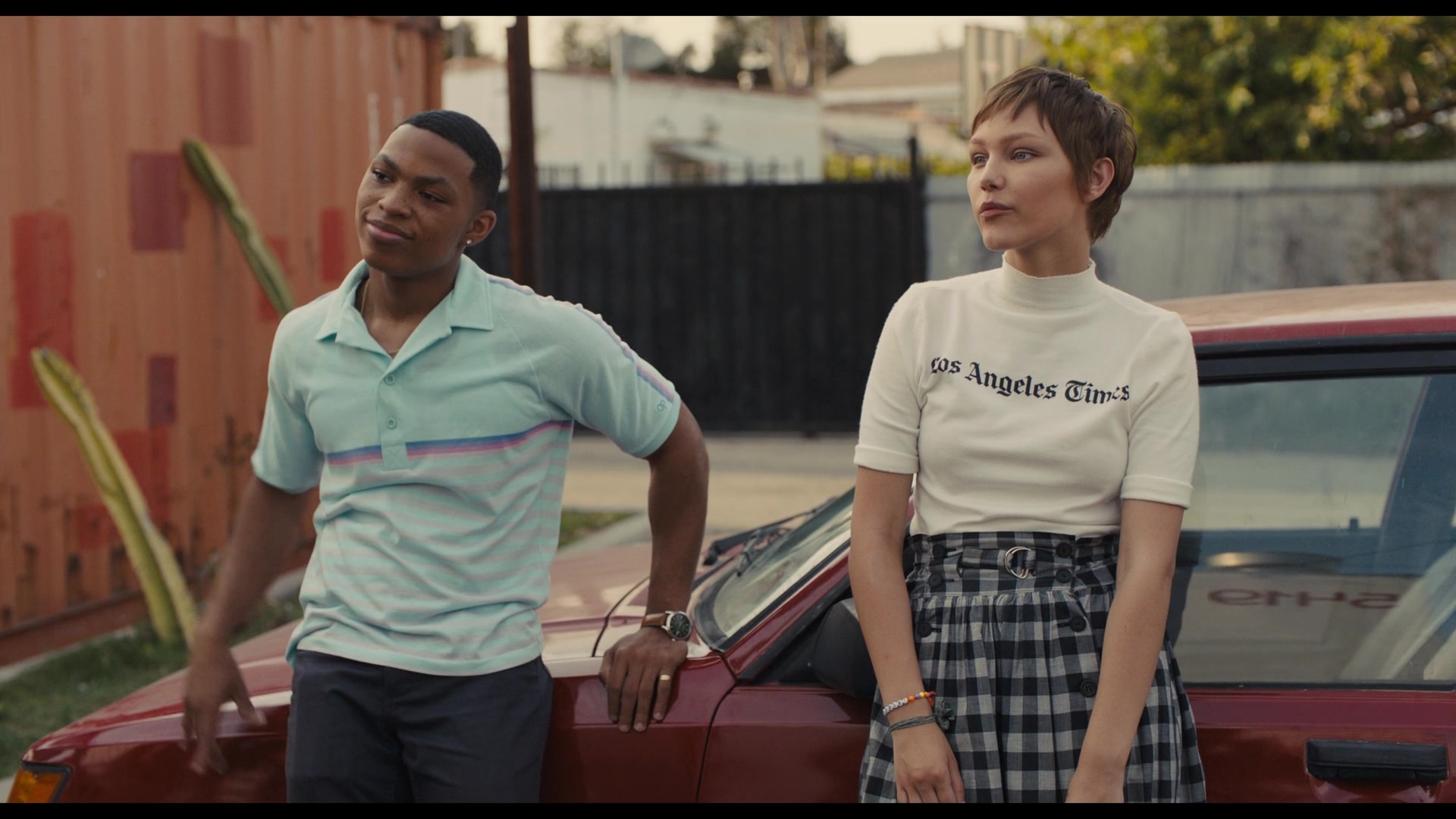
“Hollywood Stargirl” is the sequel to Stargirl, a wonderful Disney+ film that came out in 2020 (and made my best-of-2020 list). And strangely, even though “Stargirl” was based on a book series (by Jerry Spinelli), “Hollywood Stargirl” is its own sequel to the film rather than an adaptation of the novel sequel.
I didn’t know how to take that. “Stargirl” (the movie) was made for Disney+ at a time when no one knew what Disney+ could become and there needed to be a lot of original content to start from. When I heard about “Hollywood Stargirl,” this sequel (which, again, is not based on the book “Love, Stargirl”), I assumed it was nothing more than pandering to a certain demographic.
Also, in the first movie, the Stargirl character herself didn’t interest me as much as her co-star Leo, who felt more genuine and real and likable (he was also the main character; Stargirl was more or less a Manic Pixie Dream Girl). But here, it’s all Stargirl and no Leo. My cynical mind asked: how good could it be?
I took a chance on “Hollywood Stargirl.” I saw it was still directed by Julia Hart and co-written by Hart and Jordan Horowitz, who not only made the first “Stargirl” movie but also three indie gems (Miss Stevens, Fast Color, and “I’m Your Woman”)–so I just had to know, would “Hollywood Stargirl” make this talented duo of Hart & Horowitz 5 for 5?
To my astonishment, yes. But how?
Well, for one thing, now that Stargirl is actually the lead character this time, they give her more time to develop, thus making her more human. Her genuine nature was hinted at in the first movie–but here, she’s shy, she’s uncertain, she’s not as confident as she likes to make others believe, and I’m able to accept it as this is what she’s like under different circumstances (such as moving to a new town, to LA no less, and finding ways to fit in with people who are just as strange as she is). I think it’s because she’s this unique that it makes it more believable that people would lower their defenses around her and even be a little happier in her presence. (It also helps that actress Grace VanderWaal’s acting has greatly improved–she shines here, and not just in a MPDG way.)
So what’s “Hollywood Stargirl” about, seeing as how it’s an original story and not based on “Love, Stargirl”? Stargirl and her mother (Judy Greer) move to LA when Mom gets a costuming job on a Hollywood movie set. (Go figure, Mom thinks working for a studio film sucks.) Stargirl quickly makes a friend in her neighbor Evan (Elijah Richardson), who hears her singing (Stargirl often sings her own renditions of classics such as “Love and Mercy” and “Make Your Own Kind of Music”) and decides she’s the perfect addition to his and his brother’s student film. At first, she’s reluctant, but then she gets in the spirit of hey-kids-let’s-put-on-a-show and gets others excited to join in, gosh darn it!
Yeah, it’s that kind of movie. Happy-go-lucky, sunny, and hopeful, even veering dangerously close to manipulative. It’s not as honest or fresh as the first movie (which I still highly recommend as a damn good teen film in an era filled with damn good teen films–and made by DISNEY, of all studios). But I accept this sequel’s tone for two key reasons–because this formula is done well and because we all could use some good sunniness every now and again.
But it could also be because I love movies in which people make movies or music–and in “Hollywood Stargirl,” they make both a movie (actually, it’s a “sizzle reel,” whatever that is) and music. (Oh I get it–Stargirl loves the song “Make Your Own Kind of Music” and now she’s making her own kind of music.)
Judd Hirsch co-stars as a grumpy neighbor who has a heart of gold and, wouldn’t you know it, lowers his defenses the more Stargirl connects with him. Uma Thurman also co-stars as a boozy reclusive singer-songwriter who recorded one album decades ago and disappeared since then–well, it turns out she’s a regular at the bar where Evan’s brother Tyrell works, Stargirl instantly recognizes her (she and her mom are fans of her album), and if she can get through to her stony facade, maybe…just maybe…she can help the kids out. And hey, maybe she could answer Stargirl’s question as to why she hasn’t recorded another album?
Am I making fun of this film? Maybe. But I’m doing it out of respect and admiration. I liked “Hollywood Stargirl”–I liked the characters, I liked the dreamlike portrayal of Southern California, and I like its mix of real-world credibility and sunny optimism. It’s more of an escapist entertainment than the first Stargirl movie, and there’s nothing wrong with that.
But c’mon…couldn’t Leo have at least made a cameo in this movie? I liked Leo. Leo was me in high-school. Leo was my spirit animal. Leo got me through 2020. Am I exaggerating? Yes I am, but you get it.
I wasn’t especially fond of Richard Linklater’s previous film (“Where’d You Go, Bernadette”), and this new film was in the same rotoscope-animation style as a couple of his films that don’t do too much for me (“Waking Life” and “A Scanner Darkly”)–but could this new film win me over?
“Apollo 10 1/2: A Space Age Childhood “(I keep wanting to call it “A Space Age Boyhood” in reference to Linklater’s big hit “Boyhood”) is like a mix of “The Wonder Years” and Mark Twain’s “Tom Sawyer”–in that a whole lot of it feels very real, though it’s very doubtful that this is totally autobiographical (but you know Tom Sawyer liked to stretch the truth).
How’s this for a conspiracy theory? NASA put a space module too small for grown-up astronauts and trained and sent a fourth-grade boy up to the moon in it. (Hey, I’ve heard crazier theories.)
“Apollo 10 1/2” is more about the memories of growing up as a child in that era, when the world was bleak due to the Vietnam War, racial tensions, assassinations, etc.–but the hopefuls looked to the future which promised a lot of optimism, beginning with the television vision of the first man walking on the lunar surface…..and it just happens to come from the point of view of a man (voiced by Jack Black) looking back at his childhood as the glory days–especially when he remembers being able to walk up on the moon before Neil Armstrong did. (Like I said, it’s a stretch–but it’s a story, not a conspiracy theory.)
And I appreciated it for being more of a modest memoir than a glorified space opera–one I’ll keep coming back to on Netflix every now and again.













 Smith's Verdict